
People living with HIV have a higher risk of anal cancer than the general population. This is partly because HIV can affect the immune system and make it harder to clear infections like HPV, which causes most anal cancers. Anal cancer often develops slowly and may not cause symptoms at first.
Anal Cancer Screening for People Living with HIV
This toolkit is to inform people living with HIV to make informed decisions with their doctors or nurses about anal cancer screening.
What is Anal Cancer New
Anal cancer is a type of cancer that starts in the anus, which is the opening at the end of the body where stool (poo) leaves. Most anal cancers are caused by a virus called human papillomavirus (HPV) when the infection stays in the body for a long time. (Spindler et al., 2024)
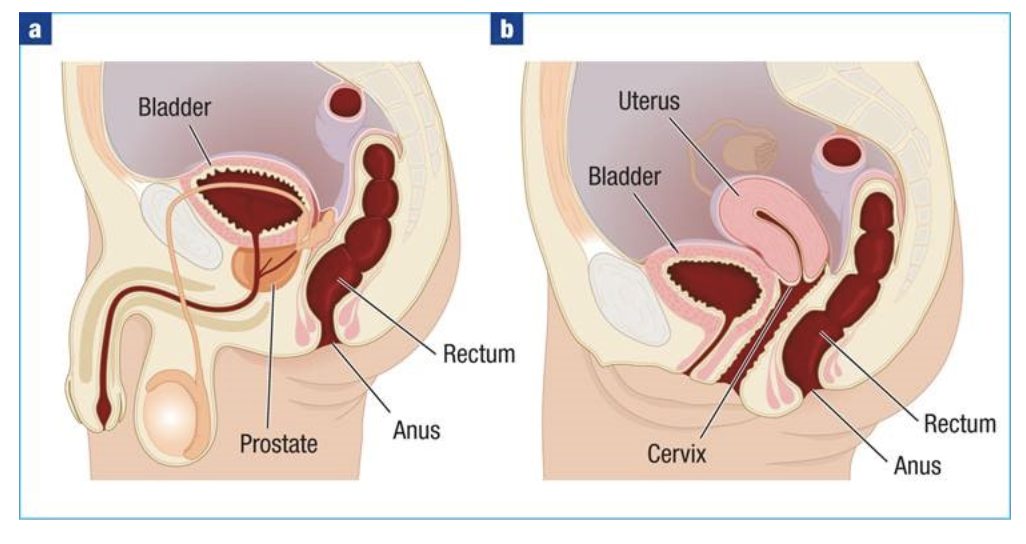
Anal cancer can often be prevented. Most anal cancers develop after a long-lasting infection with HPV, like high-risk HPV types. Before cancer forms, changes can happen in the cells of the anus. These are called precancerous cell changes. Finding and treating these changes early can lower the chance of developing anal cancer. Prevention focuses on regular screening for people at higher risk, follow-up testing when needed, and treating early cell changes before cancer starts or catching cancer in its earlier stages. Taking action early is important because these changes may not cause symptoms at first. (Spindler et al., 2024)
People living with HIV have a higher risk of anal cancer because their immune system may have a harder time fighting infections like HPV. HPV is a very common virus, and some types can cause cancer if they stay in the body for a long time. The International Anal Neoplasia Society (IASN) recommends regular anal cancer screening for people with conditions, including people living with HIV. Screening helps find changes early when treatment works best.
Anal cancer screening can find early cell changes before they turn into cancer. These early changes are not cancer yet, but they can become cancer over time if they are not treated. Finding and treating these changes early can lower the chance of getting anal cancer by more than half. (Palefsky et al., 2022; Stier et al., 2024)
Why screening matters New
People living with HIV have a much higher chance of getting anal cancer than people without HIV. They are more likely to develop anal cancer than the general population because HIV can weaken the immune system. Screening can find early cell changes before they turn into cancer. These early changes are called high-grade squamous intraepithelial lesions (HSIL), which means cells that are not cancer yet but can turn into cancer if they are not treated. HSIL is easier to treat when found early. (Palefsky et al., 2022)
Anal cancer screening looks for abnormal cells before cancer starts. It is different from colonoscopy, which is used to check for colon cancer. Instead, anal cancer screening is more like a Pap test used to check for cervical cancer. Research shows that finding and treating these early changes can help prevent anal cancer from developing. (Stier et al., 2024)
Symptoms to watch out for New
Early changes in the anus may not cause any symptoms. This is why regular screening is important, even if you feel fine. Sometimes, people may notice symptoms like these (Hong et al., 2025):
- Bleeding from the anus or blood in the stool (poo)
- Itching, irritation or a feeling of fullness in the anal area
- Pain or discomfort in or around the anus, especially during bowel movements
- Changes in bowel habits such as narrowing of stools or constipation
- Lumps, growth, or anal warts
These symptoms do not always mean cancer, but they should be checked by a doctor or nurse as soon as possible.
Some other health problems, like hemorrhoids, small tears in the skin (anal fissures), or cancers of the rectum or colon, can cause similar symptoms. Because these problems can feel alike, a doctor or nurse needs to examine you to find out what is causing the symptoms.
Who should get screened and how New
Anal cancer screening is recommended for people living with HIV:
- Starting at age 35 for men who have sex with men and transgender women
- Starting at age 45 for other people living with HIV
These recommendations are based on higher rates of anal cancer in people living with HIV compared to people without HIV. Anal cancer is more often found in people who are immunocompromised or people whose bodies have a harder time fighting infections, such as people living with HIV, and those who are middle‑aged or older.
(Clifford et al., 2020; Stier et al., 2024)
Anal cancer often does not cause noticeable symptoms until it is at an advanced stage, making regular screening essential for people at higher risk. Your doctor or nurse can help determine when screening should begin and how often if should be repeated, based on your personal risk factors and medical history.
Talking to your doctor or nurse about screening New
People living with HIV may not always be asked about anal cancer screening during regular health visits. If you think screening might be right for you, it is okay to bring it up with your doctor or nurse.
If your doctor or nurse talks to you about screening, they will explain why it may be helpful and what the test is like. You can ask questions such as:
- “What tests will I have?”
- “What will happen during the exam?”
- “Are there any risks or side effects?”
Your doctor or nurse may also ask you questions about your health, any symptoms you have, and other risk factors. This helps them decide if screening is right for you.
How to bring it up with your doctor or nurse
If you are not sure how to bring it up, you could say:
- “I heard that people living with HIV may have a higher risk of anal cancer. Can I get screened?”
- “Do you offer anal cancer screening, like an anal Pap test or a digital anal rectal exam?”
- “Do you think screening would be helpful for me?”
Screening can find early cell changes before they turn into cancer, when treatment works best. Screening is often done once a year, but the timing may be different for each person. Your doctor or nurse can help decide the best screening plan for you.
Where to get screened

Anal cancer screening may be offered by:
- Primary care providers (family doctors and nurse practitioners)
- HIV specialists (Infectious disease specialists)

Note: Not all doctors or nurses offer anal cancer screening. Your doctor or nurse can help determine if screening is right for you and can refer you to a specialist with experience in anal cancer screening.
Where to get screened
What happens during screening New
Anal cancer screening usually involves two main tests:
1. Anal Cytology (Anal Pap Test):
- A doctor or nurse gently puts a small, soft swab into the anus and turns it to collect cells.
- The cells are sent to a lab to check for changes that are not normal.
- This test is done before using any lubricant or doing a physical exam, so the sample stays clean. This test is done before the Digital Anal Rectal Exam.
- Right now, people cannot collect the samples themselves. A doctor or nurse must do the test.
To learn more about the Anal Pap test, visit the Chicago Colon and Rectal Clinic website for additional information and a visual reference.
For a step-by-step educational demonstration of the Anal Pap test performed by a physician with a patient, refer to the IANS Anal Cytology collection video. Please note that this video includes real patients.
(Hirsch et al., 2025)
2. Digital Anal Rectal Exam (DARE):
- A doctor or nurse puts a gloved, lubricated finger into the anus to feel for lumps and bumps, or changes that do not feel normal.
- The exam is quick, usually less than a minute, and should not hurt.
If either test shows changes that are not normal, your doctor or nurse may send you to a specialist for high resolution anoscopy (HRA) or biopsy to examine the area more closely.
To learn more, see the IANS DARE video, which shows a doctor performing the procedure on a real patient for educational purposes.
After screening: Results and follow-Up New
Understanding your results
If your results are normal, your doctor or nurse may suggest having screening again each year. This can depend on your health and past test results. (Hirsch et al., 2025)
If the results show changes that are not normal, your doctor or nurse may send you to a specialist for more tests. The specialist may use a test called high resolution anoscopy (HRA) to look closely inside the anus. They may also take a very small tissue sample, called a biopsy, if needed. (Spindler et al., 2024)
Most abnormal results do not mean cancer. Screening helps find changes early, so they can be treated before cancer starts.
Biopsy results are reported along a range, including:
- Normal (no abnormal cells)
- Low-grade changes (LSIL): mild cell changes
- High-grade changes (HSIL): more serious changes that may need treatment
- Cancer
Precancerous Changes (HSIL)
Some screening tests can find HSIL. SIL means early cell changes that are not cancer but could turn into cancer over time. Treating HSIL can greatly lower the chance of getting anal cancer. (Hirsch et al., 2025)
Treatment depends on what works best for each person. Options may include: (Palefsky et al., 2022; Hirsch et al., 2025)
- Treatments you can use at home
- Prescription creams that you put on the area for several weeks to help your body remove unhealthy cells.
- Treatments done at a clinic
- A specialist may use heat or other methods to destroy unhealthy cells.
- Surgery
- In some cases, a specialist may remove the unhealthy tissue. This is done by a trained healthcare provider.
Treating HSIL early has been shown to lower the chance of anal cancer by more than half. (Spindler et al., 2024)
After getting your results New

If Cancer is Found: Next steps
If anal cancer is diagnosed, your healthcare team will talk with you about next steps. Treatment plans are made for each person and are based on different factors, such as:
- How far the cancer has spread
- The size and location of the cancer
- Your overall health
- Your past screening results
Your doctor or nurse will explain your treatment options, answer your questions, and help you make decisions that are right for you.
(Hirsch et al., 2025)
Screening results can be normal or abnormal.
- If your results are normal, your doctor or nurse may recommend routine screening again in the future.
- If your results are abnormal, you may need more tests or a visit with a specialist.
- If cancer is found, treatment will depend on how advanced the cancer is and your overall health.
If Cancer is Found: Next steps
If anal cancer is diagnosed, your healthcare team will talk with you about next steps. Treatment plans are made for each person and are based on different factors, such as:
- How far the cancer has spread
- The size and location of the cancer
- Your overall health
- Your past screening results
Your doctor or nurse will explain your treatment options, answer your questions, and help you make decisions that are right for you.
(Hirsch et al., 2025)