Psoriasis

Last Updated: December 12, 2025

No Results Found 0/0

This tool is designed to help primary care clinicians understand, assess, and manage people living with psoriasis. This tool integrates best practice evidence with clinical experience and refers to relevant existing tools and services wherever possible.  

Clinical presentation New

Psoriasis is a chronic, autoimmune, and inflammatory skin condition characterized by redness of the skin, and hard, itchy, scaly, and sometimes painful plaques.1 It is also associated with several co-morbid conditions and requires timely and thorough assessment to inform an individualized management plan.8,10 

Presentation of psoriasis1,3,11

Psoriasis Sub-type
Clinical Features
Visual*

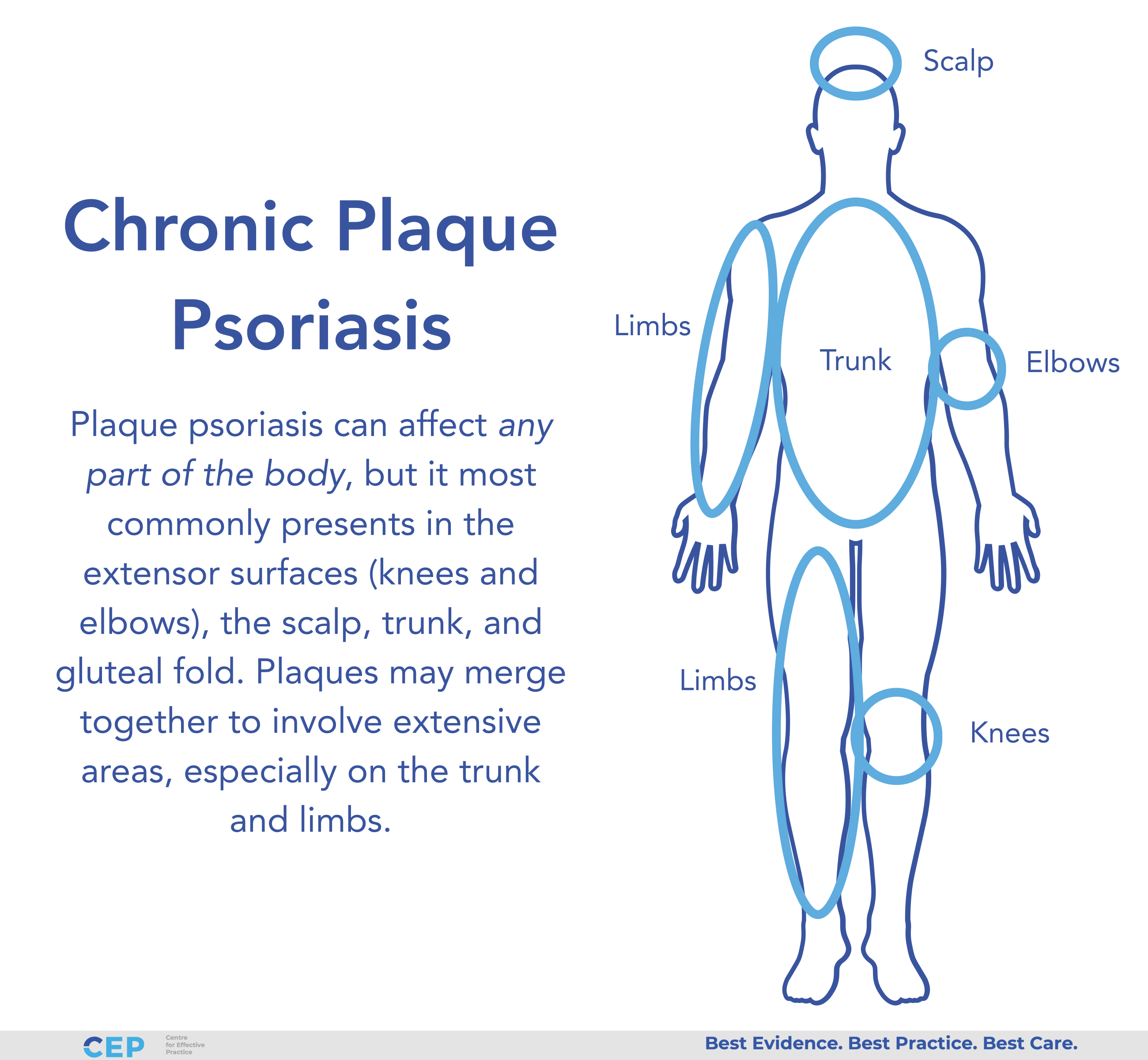
Psoriasis Vulgaris (Chronic Plaque Psoriasis) 

  • Most common presentation. 
  • Dry, well-defined, and irregularly shaped lesions. 
  • Red or pink in colour may present purple, violet or brown in skin of colour.
  • Silvery scales (plaques) over swollen patches. 
  • May be painful or itchy. 

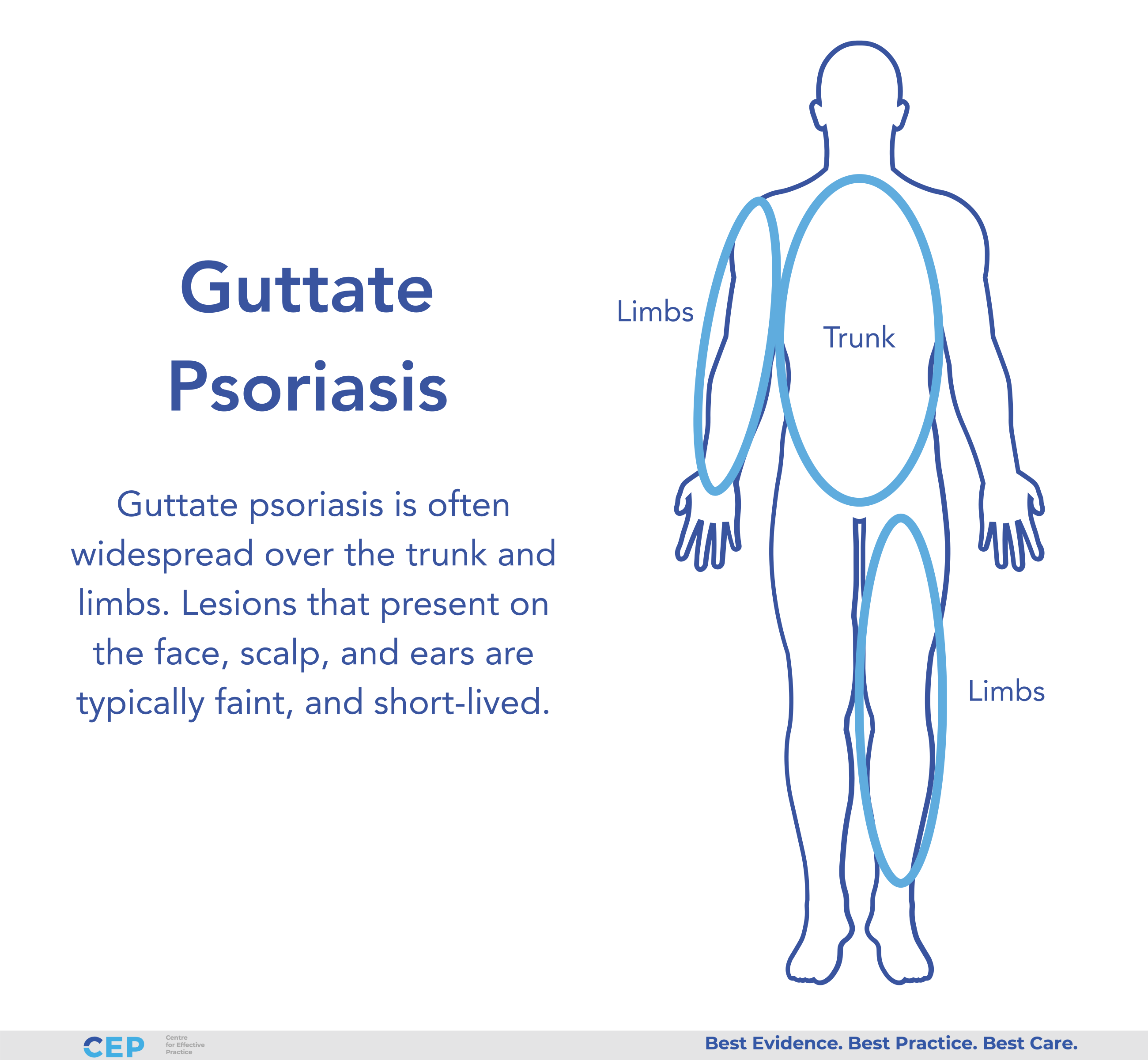
Guttate Psoriasis

  • Second most common presentation. 
  • May be associated with an upper respiratory tract infection (URTI) trigger.
  • Commonly diagnosed in young adults under age 30. 
  • Distinct, small, droplet-shaped spots. 
  • Red or pink in colour. 
  • Fine scales, but thinner than those associated with plaque psoriasis. 
  • May be painful or itchy. 

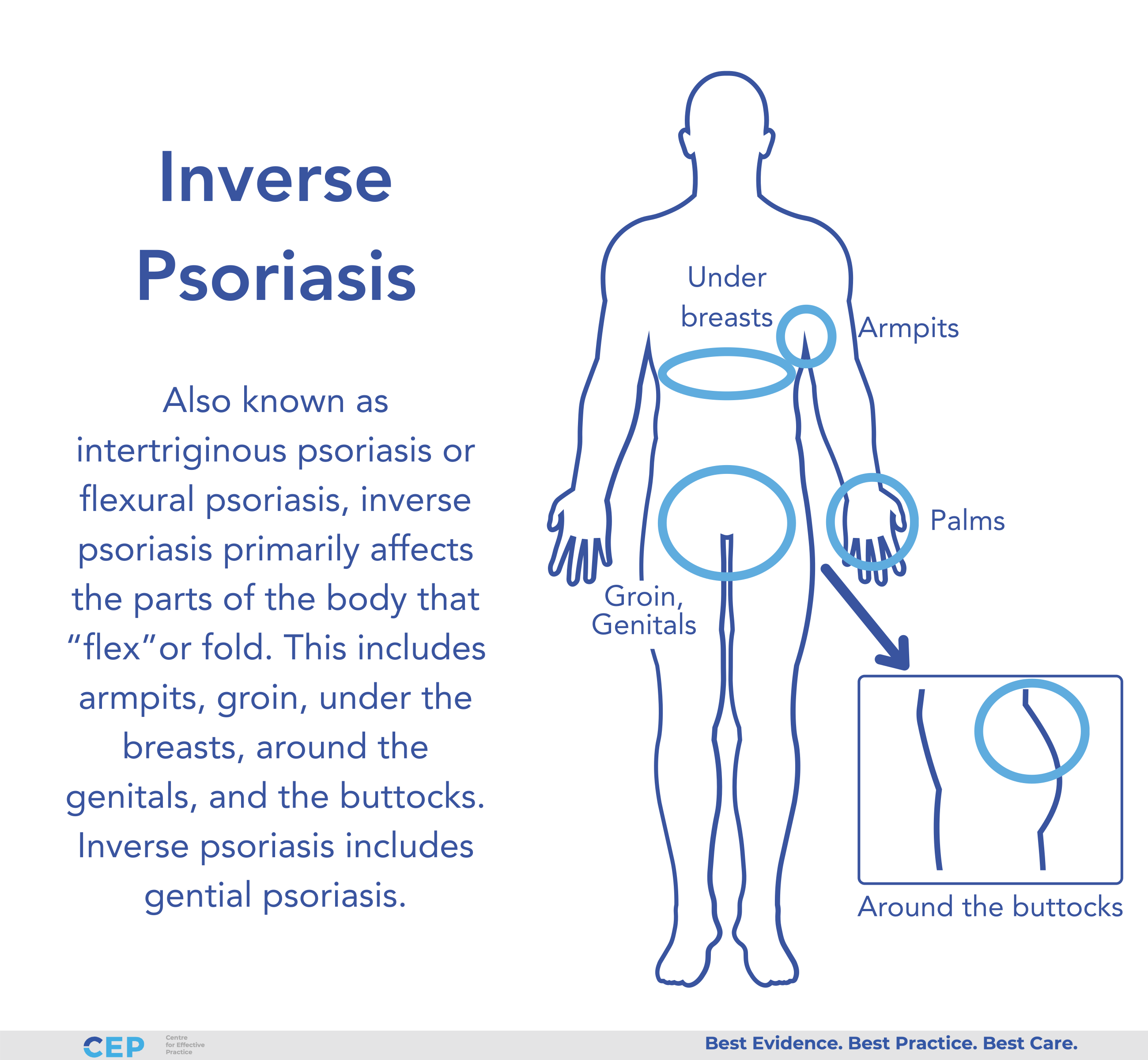
Inverse Psoriasis (Intertriginous Psoriasis or Flexural Psoriasis)

  • Includes genital psoriasis.
  • Mainly affects parts of the body that “flex” or fold (e.g. Armpits, groin, under the breasts, around the genitals, between the buttocks).
  • Lacks typical scaliness of psoriasis.
  • May be painful and itchy. 
  • Shiny, red, and clearly outlined lesions. 
  • May cause painful fissures or cracks which may bleed. 
  • May present similarly to a non-resolving fungal infection. 
    • Inverse psoriasis presents with well demarcated borders versus spread out borders in fungal infections. 

Scalp Psoriasis

  • Common amongst individuals living with psoriasis.
  • Can overlap with sebopsoriasis.  
  • May be associated with any type of psoriasis – most commonly with plaque psoriasis. 
  • Red, well-defined lesions that are covered by a thick scale. 
  • Silvery scale that often looks like dandruff. 
  • May extend beyond the hairline. 
  • Itchy. 

Nail Psoriasis

  • Common amongst those living with plaque psoriasis. 
  • Occurs as an isolated case in only 5% of individuals living with a type of psoriasis. 
  • May affect one nail, multiple nails, both fingernails and toenails, fingernails only or toenails only. 
  • Presentations include: 
    • Pitting: Small depressions in the nail plate, ‘pits’ 
    • Leukonychia: White lines or dots across the nail plate 
    • Nail plate crumbling: Disintegration of the nail 
    • Oil drop or salmon patch: Translucent yellow-red patches in the nail bed 
    • Onycholysis: Separation of the nail plate from the nail bed, starting at the tip of the finger 
    • Subungual hyperkeratosis: Accumulation of excessive skin cells, with a grey-white appearance, under the nail 
    • Splinter hemorrhages: Faint red lines in the nail bed from small blood vessels bleeding 

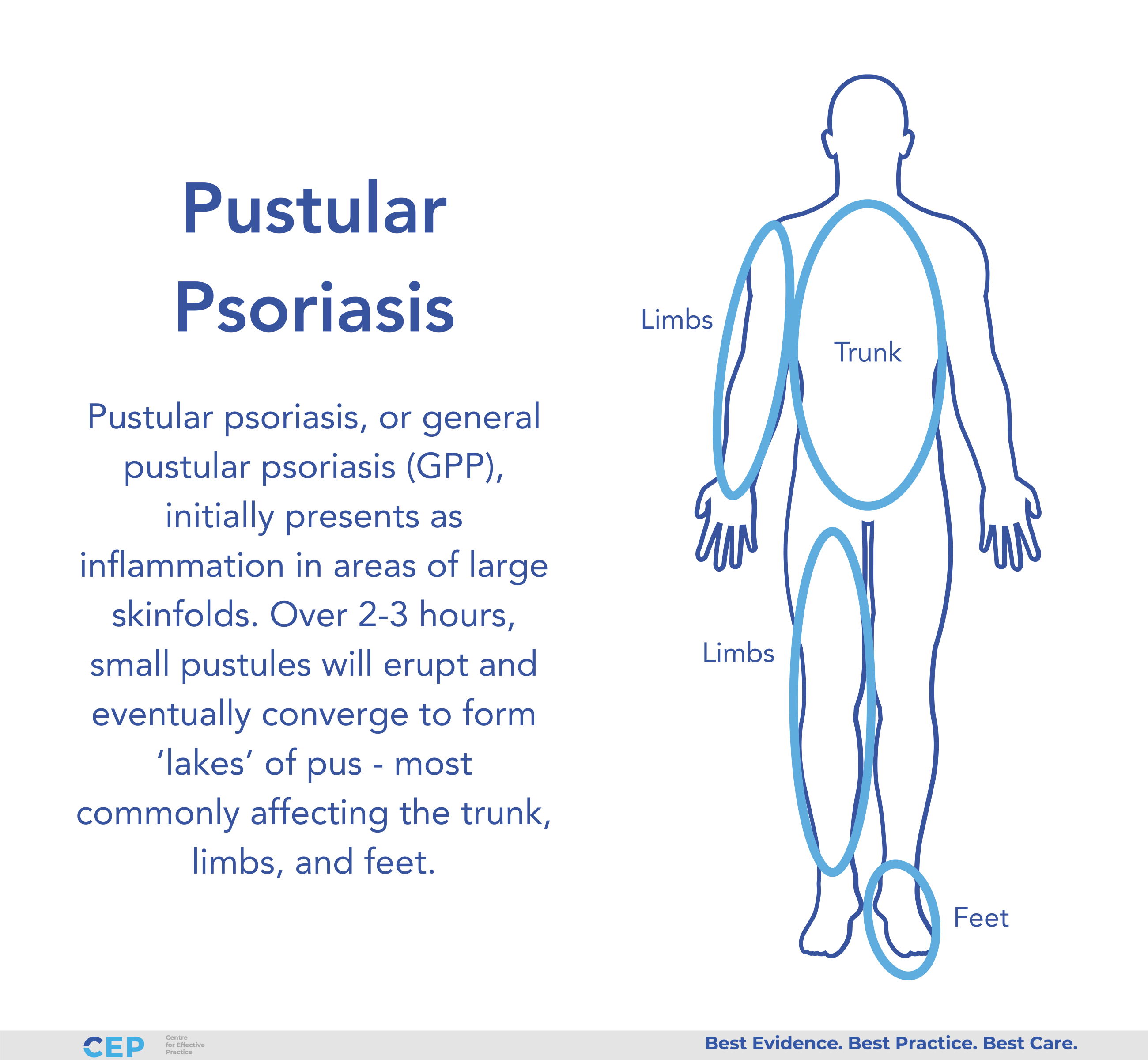
Pustular Psoriasis

  • Rare type of psoriasis. 
  • Small, pimple-like and pus-filled eruptions. 
  • Includes: 
    • Localized palmoplantar psoriasis – mainly affects palms of hands and soles of feet. 
    • Generalized pustular psoriasis (GPP) – mainly affects large areas all over the body. 
  • May alternate between periods of recurrence and remission. 
  • Episodes typically occur rapidly with the onset of eruptions occurring within a few hours of the initial presentation of red and tender skin. 
  • Pus-filled blisters will dry and form scales typically in a few days after episode onset. 

Erythrodermic Psoriasis

  • Least common, but most severe type of psoriasis, covering >80% body surface area. 
  • Red, scaly, and peeling lesions. 
  • May itch and burn immensely. 
  • Skin will swell and sheds in multiple layers, often in large sheets. 
  • Other symptoms may include fever, chills, general malaise, racing heart rate, joint pain, and lymph node swelling. 

Click images to view as PDF.

Psoriasis in skin of colour1,2

Psoriasis in skin of colour (SOC) presents differently and requires careful assessment to ensure timely and accurate diagnosis. Lesions may lack the typical redness that is seen in lighter skin tones and instead appear violaceous, grey or deep brown, and may be less noticeable. Inflammation may be underestimated, leading to underrecognition and/or misdiagnosis.

Psoriasis in Fitzpatrick phototypes

Phototype I

Phototype II

Phototype III

Phototype IV

Phototype V

Phototype VI

In addition, patients with SOC often experience thicker plaques, heavier scaling, more severe scalp involvement, and more prominent pigmentary changes following inflammation (post-inflammatory hypopigmentation (loss of pigmentation) or hyperpigmentation (darkening of pigmentation)). 

Equity considerations in psoriasis care1,2 

Psoriasis exerts a greater QoL burden in SOC due to variations in clinical presentation that often lead to under-diagnosis and misdiagnosis, cultural stigma, and underrepresentation in educational materials. Targeted assessment is therefore essential. You should also address the presence of pigmentary alteration in management plans and patient counselling.

Fitzpatrick Classification
Click for details

Assessment New

Jump to:

Assessment of psoriasis 

Assessment of psoriasis severity includes a combination of skin involvement/lesion characteristics, symptom severity, and impact on quality of life. 

Skin involvement6

Skin involvement: calculate the Body Surface Area (BSA) percentage.

Mild = <3% | Moderate = 3-10% | Severe = >10% 

For a more in-depth assessment of skin involvement and severity, consider using the Psoriasis Assessment Severity Index (PASI).

Lesion characteristics6

Assess erythema (redness), induration (thickness), and scaling. Assessment of these characteristics should be done at each visit.

Use the Physician Global Assessment (PGA) scale to rate lesion severity and document the PGA score and affected areas.

Note any special site involvement (e.g. face, scalp, genitals, nails, or palms/soles) as this may increase the impact on quality of life and should be treated as functionally and psychosocially severe regardless of overall BSA.

Calculating BSA: 

Estimate the body percentage by using the patient’s palm as approximately 1% of the total BSA. 

Symptom severity6

To assess the severity of itching, ask the patient to rate itch intensity on a scale of 0-10 – 0 being no itch at all and 10 being extreme itch.

You can also use the Visual Analog Scale (VAS) to measure itch intensity.

Persistent moderate-to-severe itch (VAS ≥5) indicates active disease even when visible lesions appear improved.

Address itch as a primary treatment target and quality of life indicator.

Visual Analag Scale
Click to view
The Physician Global Assessment (PGA) scale for psoriasis
Click for details

Quality of Life (QoL)6

Living with psoriasis can have a significant impact on an individual’s quality of life.

For a comprehensive QoL assessment, use the Dermatology Quality of Life Index (DLQI).

Assessing psoriasis in SOC:1,2 

  • Erythema (redness) may be subtle. Assess for violaceous, grey, or deep brown lesions. Palpate lesions to assess for scaling. 
  • Plaques may be thicker and more extensive. Examine the scalp closely, even when minimal redness is visible.  
  • Inspect for any pigmentary changes (hyperpigmentation or hypopigmentation) at every visit and document accordingly. 
  • Consider psoriasis as a possibility even when classical redness is absent and ensure timely referral to dermatology when uncertain. 

Differential diagnosis3,6 

It is common for psoriasis to be initially misdiagnosed as clinical presentations can look similar to several other skin conditions.  

Most common conditions include: 

Condition
Clinical presentation
Visual differentiation*

Atopic dermatitis (Eczema) 

  • Can occur from environmental and/or genetic factors. 
  • Flexural distribution. 
  • Intense itch. 
  • Patches of dermatitis may be red, weeping/crusted, and/or may have blisters. 

Tinea (Ringworm) 

  • Fungal infection. 
  • Typically presents as a solitary red patch with a raised, scaly edge.  
  • Lesion will spread out over time forming a ring-shape with central hypopigmentation and a scaly, red border. 
  • Border can be papular or pustular. 
  • Itch is common. 

Seborrheic dermatitis 

  • Commonly affects areas with high sebum production (scalp, nasolabial folds, eyebrows, beards, ears, etc). 
  • Winter flares, minimal itch, and combination oily and dry mid-facial skin.
  • Ill-defined and localised scaly patches on the scalp. 
  • Salmon-pink, thin, scaly, and ill-defined plaques in skin folds. 
  • Petal or ring-shaped flaky patches along the hairline or chest. 
  • Rash in intertriginous areas. 

Lichen planus 

  • Autoimmune disorder with several contributing factors. 
  • Clinical presentation can range; it may cause a small number or many lesions. 
  • Symptoms can range from no itch (uncommon) to extreme itch. 
  • Size of lesions ranges from miniscule to larger than a centimeter, and distribution of lesions may be scattered, clustered, linear, annular, or limited to sun-exposed areas. 
  • Most often presents on front of the wrists, lower back and ankles. 
  • New lesions often have a purple or violet hue – lesions on the palms or soles have a yellowish-brown hue. 


Pityriasis rubra pilaris 

  • Rare group of skin conditions. 
  • Reddish-orange scaling patches with well-defined borders. 
  • May cover the entire body, or parts of the body, such as the elbows and knees or palms and soles. 
  • Typically areas of uninvolved skin – “islands of sparing.” 
  • Palms and soles are often involved and become thickened and yellowish. 

Superficial basal cell carcinoma (sBCC)

  • Most common type of cancerous skin lesion in younger adults. 
  • Most common presentation on upper trunk and shoulders. 
  • Slightly scaly, irregular plaques. 
  • Thin, translucent rolled border. 
  • Multiple microerosions. 

Subacute cutaneous lupus erythematosus (SCLE) 

  • A subtype of cutaneous lupus erythematosus (CLE). 
  • Most common presentation includes scaly, raised plaques. 
  • May present with papules. 
  • Typically ring-like or circular in shape. 
  • May have an overlaying scale. 
  • Plaques may coalesce over a large area of the skin and form polycyclic patterns. 
  • Typically presents in sun-exposed areas of the neck, upper trunk, and outer limbs. 

If clinical presentation is atypical or involves diagnostic uncertainty, refer to dermatology. 

Co-morbid conditions3,6,12 

Psoriasis is strongly associated with several inflammatory, metabolic, and psychosocial conditions and requires proactive and routine screening to effectively manage identified co-morbidities. 

Most common co-morbidities include: 

  • Psoriatic Arthritis (PsA) 
  • Anxiety and Depression (for more information on screening and management, see CEP’s Anxiety and Depression tool) 
  • Cardiovascular Disease 
  • Metabolic Syndrome/Obesity (for more information on screening and pharmacotherapy, see CEP’s Pharmacotherapy for Obesity Management tool
  • Metabolic-Dysfunction Associated Steatotic Liver Disease (MASLD)  
  • Inflammatory Bowel Disease (IBD) 
    • Crohn’s Disease
  • Sleep disorders (for more information on screening and management, see CEP’s Chronic Insomnia tool) 
  • Malignancies (especially Lymphoma and Nonmelanoma Skin Cancer (NMSC)) 

Pharmacological management New

Guiding principles for the pharmacological management of psoriasis:3,4,7-9 

  • Balance efficacy, safety, and affordability when selecting treatments.  
  • Understand the patient’s context and life circumstances, such as: 
    • Coverage options (e.g., access to extended health coverage). 
    • Review the patient’s pregnancy intentions at treatment initiation and regularly thereafter and adjust therapy accordingly. Some systemic therapies cannot be prescribed for pregnant females or those wishing to conceive. 
    • Account for how the patient’s history of cancer and comorbidities may impact treatment options.
  • Tailor treatment options to disease severity and patient preferences.
  • Cost considerations: 
Talking tips
Click for details

Pharmacotherapy for psoriasis aims to achieve and sustain minimal disease activity by reducing inflammation, clearing lesions, and improving quality of life. Use your clinical judgement to move patients through a stepwise approach from topical to systemic and biologic therapies. 3,6 

Treatment selection depends on disease severity, impact, and comorbid conditions. 3,6 

Non-pharmacological management New

Jump to:

Non-pharmacological interventions are essential adjuncts to prescribed medical therapy, supporting symptom control, quality of life, and long-term disease management.3 Incorporate education and lifestyle counselling into psoriasis management plans, and guide patients in evidence-based use of nonmedicated moisturizers and lifestyle strategies to enhance outcomes and reduce flare frequency.3,6 When selecting therapy, consider patient preferences and clinical context, and involve the patient in shared decision-making to support adherence.6 

Nonmedicated moisturizers3,6,11,34

  • Available in several forms: ointment, cream, lotion, solution, and hydrogel. See the table below to guide vehicle selection.
  • Recommend frequent application and continued use during remission, emphasizing adherence and skin hydration. 
  • Advise patients to apply generously and consistently to support barrier repair, reduce itching, and enhance the penetration of active agents. 
  • Considerations: 
    • Safe to use during pregnancy and lactation 
    • Likely inconvenient for patients with a large BSA of involvement
Moisturizer options
Click for details

Lifestyle and behavioural strategies3,6,11,35 

To control systemic inflammation, discuss and collaboratively select lifestyle or behavioural strategies that your patient feels motivated to adopt. Focus on strategies that align with their goals, preferences, and daily routines. Provide your patient with the appropriate resources listed below to support their adoption of lifestyle or behavioural strategies.

  • Encourage weight management through anti-inflammatory diets (e.g., Mediterranean diet) and physical activity (muscle strengthening activities and ≥150 mins/week of moderate-to-vigorous intensity aerobic exercise) to improve psoriasis severity and enhance response to systemic therapy. 
  • Engage in smoking cessation counselling and encourage alcohol moderation or cessation. Smoking and alcohol consumption worsen psoriasis symptoms. 
  • Encourage stress-management techniques (e.g., meditation, mindfulness, and cognitive behavioural therapy) to improve symptom perception and quality of life. Psychological stress can trigger flare ups. 
Patient and care partner resources for long-term psoriasis management:

Education
Canadian Association of Psoriasis Patients provides information on:
Overview of psoriasis to help individuals understand their condition.
Living with psoriasis to support daily life and overall well-being. 

Nonmedicated moisturizers
Recognized skincare products: List of cleansers, moisturizers, creams, and other skincare products endorsed by the Canadian Dermatology Association. 

Weight management
The Mediterranean Diet: Practical guidance from Dieticians of Canada with meal ideas for an anti-inflammatory approach.
Canada’s Physical Activity Guide: Ideas for healthy, active living.
How to Reach and Maintain a Healthy Weight: Tips from Sunnybrook Health Sciences Centre on achieving and maintaining a healthy weight through diet, activity, and goal-setting. 

Psychological stress management
Canadian Mental Health Association: 30 branches that provide community mental health services across Ontario.
BounceBack Ontario: Available through the Ontario Structured Psychotherapy Program. Guided self-led resources to support the management of low mood, stress, or worry. Delivered by phone with a coach and through online videos.
Hope for wellness: Mental health counselling and community-based cultural and emotional support for Indigenous people. 1-855-242-3310
MoodGYM: Online cognitive behavioural therapy.
Ontario Caregiver Organization: Support for care partners to improve their caregiving experience.

Smoking cessation
Smokers’ Helpline: A Canadian Cancer Society bilingual service providing personalized quit plans, live chat, and text support for smoking and vaping cessation.
Smoking Treatment for Ontario Patients (STOP): An online program through which adult tobacco smokers can receive free nicotine replacement therapy. 

Alcohol moderation/cessation support
HelpWithDrinking.ca: Free tools and guidance for reducing or quitting alcohol. 

Complementary therapies4,6,11,12 

Evidence for complementary therapies is limited and varies by therapy. Complementary therapies should be used under clinical supervision as adjuncts, not replacements for standard care. While complementary therapies such as vitamin D or omega-3 supplementation and mindfulness practices may have modest supportive effects, phototherapy (limited availability in Ontario) and coal tar remain the only alternative modalities with sufficient evidence of efficacy. 

Discuss complementary use transparently, ensuring patients disclose supplements or topical agents to avoid interactions with prescribed therapy.

Complementary therapy options
Click for details

Considerations for complementary therapies and Natural Health Products 

Patient values and wishes are a priority in treatment selection. While there is evidence for some types of complementary therapies and natural health products, as with any treatment, the potential for harm must be considered. 

Consider the advantages: 

  • Patient places high value on treatment 
  • Likelihood of the treatment addressing factors related to the patient’s symptoms 
  • Evidence for treatment 

Consider the disadvantages: 

  • Availability 
  • Cost 
  • Risk of negative impact 
Natural Health Products 

A pharmacist can support you and patients in navigating herbal treatments. Some general considerations include: 

  • Is it a quality product? 
  • Approved, licensed products have an NPN (Natural Product Number)
  • Is there a potential for drug interactions? (e.g., St. John’s Wort) 
  • How much does the product cost? 
  • Is there evidence of the product’s efficacy? 
Talking tips
Click for details

Follow-up and monitoring New

Jump to:

Guiding principles for follow-up and monitoring of psoriasis:11 

  • Assess patient experience and response to treatment, including effectiveness, tolerability, and convenience. 
  • Understand the patient’s reasons for discontinuation if topical or other therapies have been stopped. 
  • Individualize treatment goals by recognizing that “clear skin” means different things to different patients. 
  • Acknowledge and normalize that flare-ups are common and may be triggered by stress or seasonal changes. 
  • Consider life context and stressors by discussing upcoming life events that may influence treatment choices or urgency. 
  • Tailor therapies based on the patient’s plans for pregnancy. 
Talking tips
Click for details

Regular follow-up is essential to monitor treatment fatigue, response, safety, and comorbidities, and to ensure patients achieve and sustain minimal disease activity. Follow-up should be structured, measurable, and patient-centered, integrating both clinical outcomes and quality-of-life indicators. 3,6 

  • Reinforce adherence and provide brief, structured counselling on modifiable factors (stress, weight, and smoking) at every review and reinforce progress over time. 
  • Proactively assess comorbidities at each annual review. Document any new co-morbid conditions and adjust treatment accordingly. See co-morbid conditions section above. 
  • Monitor for treatment fatigue or psychological distress. 
  • Use treat-to-target principles to determine whether therapy is adequately controlling disease. 3 
    • Review disease control at 2-3 months after starting or changing therapy. 
    • If minimal disease activity targets are not met, adjust treatment intensity or refer for biologic therapy initiation. 

Referral3,10 

Refer patients to dermatology when: 

  • Moderate-to-severe psoriasis (BSA >10% or PGA ≥3) 
  • Topical therapy fails after 8-12 weeks 
  • Special sites (face, genitals, hands, feet, and nails) are significantly affected 
  • Biologics should be considered for disease that remains unresponsive to systemic therapy or requiring discontinuation due to intolerance 

Monitoring an individual on biologics16-31

Although biologics are prescribed and managed by specialists, primary care is the first point of contact when individuals experience side effects from these medications. You play a key role in identifying infections early, monitoring for systemic complications, coordinating investigations, and knowing when to hold doses and contact the prescribing specialist. 

Monitor for infection, malignancy, and drug-specific adverse events every 3–6 months.

TNF-α inhibitors

Category  Risks  Monitoring Action 
Serious  Serious infections, TB reactivation, malignancy, demyelination, worsening HF  Screen for infection; hold dose if suspected; TB workup (CXR + IGRA); assess for neuro symptoms or HF exacerbation; urgent referral when red flags present. 
Moderate  Cytopenias  CBC if fatigue, bruising, recurrent infections. 
Routine  Injection site reactions  Reassurance, symptomatic care. 
Category  Risks  Monitoring Action 
Serious  Serious infections, opportunistic infections, demyelinating disease, HF worsening  Ask about infection symptoms at each visit; monitor HF; evaluate for neuro changes urgently. 
Moderate  Malignancy risk  Maintain routine cancer screenings; annual skin check. 
Routine  Injection reactions  Symptomatic care. 
Category  Risks  Monitoring Action 
Serious  Serious infections, TB, malignancy, demyelinating disease  Evaluate infectious symptoms; order TB testing if indicated; assess new neurologic complaints. 
Routine  Mild URTIs  Symptomatic care unless prolonged or recurrent. 
Category  Risks  Monitoring Action 
Serious  Infusion reactions, serious infections, hepatic injury, cytopenias, HF exacerbation  Ensure biologic held during infections; LFTs/CBC when symptomatic; urgent care for anaphylaxis or HF symptoms. 
Moderate  Delayed hypersensitivity  Educate patient to report post-infusion fever, rash, arthralgia. 
Routine  Mild infusion reactions  Coordinate with infusion clinic for supportive care. 

IL-12/23 and IL-23 inhibitors

Category  Risks  Monitoring Action 
Moderate  Non-melanoma skin cancer, malignancy risk  Ensure annual skin check and routine cancer screening. 
Serious  Serious infections  Hold dose for significant infections; escalate when systemic. 
Routine  Mild URTIs  Symptomatic care. 
Category  Risks  Monitoring Action 
Moderate  Infections (URTI), rare candidiasis  Treat minor infections; assess persistent symptoms; hold dose if worsening. 
Serious  Hypersensitivity  Evaluate for rash, swelling, dyspnea; urgent care if anaphylaxis suspected. 
Routine  Injection reactions  Symptomatic care. 
Category  Risks  Monitoring Action 
Serious  Serious infections (pneumonia, cellulitis, etc.)  Ask about infection at each visit; hold during moderate/severe infection and contact specialist; send to ED for systemic illness. 
Moderate  Malignancy / non-melanoma skin cancer  Encourage adherence to age-appropriate cancer screening; ensure skin checks (PCP or derm) at least annually. 
Routine  Injection-site reactions, URTIs, headache, arthralgia  Symptomatic care; if recurring or bothersome, flag to specialist. 
Category  Risks  Monitoring Action 
Serious  Serious infections  Hold for clinically important infections and seek specialist input; ED for sepsis signs. 
Moderate  URTIs, tinea/candidiasis, injection reactions  Treat infections with usual therapy; consider discussing with prescriber if recurrent or severe. 
Routine  Headache, fatigue, mild GI upset  Reassure; manage expectantly. 

IL-17 pathway inhibitors

Category  Risks  Monitoring Action 
Serious  Serious infections, TB risk, new/worsening IBD  Screen for infection and GI symptoms. For suspected IBD (bloody diarrhea, weight loss, cramping) → order basic labs and hold, contact derm/GI; ED for severe pain/bleeding. TB symptoms → CXR + testing, urgent specialist contact. 
Moderate  Mucocutaneous candidiasis, tinea infections  Treat with standard antifungals; if recurrent or extensive, notify specialist. 
Routine  Injection-site reactions, URTIs  Symptomatic care. 
Category  Risks  Monitoring Action 
Serious  Serious infections; new or worsening inflammatory bowel disease  Ask about chronic/bloody diarrhea, weight loss, abdominal pain; hold and contact specialist; ED for red-flag GI symptoms. Hold during moderate/severe infections. 
Moderate  Candidiasis, eczematous/atopic-like eruptions  Treat candidiasis; if widespread or recurrent, discuss with prescriber. For severe eczema-like eruption, consider stopping and arranging derm review. 
Routine  Injection-site reactions, URTIs, headache  Symptomatic management; continue unless symptoms escalate. 
Category  Risks  Monitoring Action 
Serious  Suicidal ideation/behaviour; Crohn’s disease (contraindicated)  Before and during therapy, briefly screen for depression and suicidality. Any new or worsening suicidal thoughts → urgent mental-health evaluation, inform specialist, and do not administer further doses. New GI symptoms suggesting Crohn’s (abdominal pain, diarrhea, weight loss) → stop and contact specialist. 
Serious  Serious infections, TB risk  Hold during significant infection; ED for systemic illness; TB symptoms → evaluate and discuss with prescriber. 
Moderate  Neutropenia, candidiasis, injection-site reactions  Order CBC if frequent infections or unusual fatigue; manage candidiasis as usual; discuss persistent neutropenia with specialist. 
Routine  URTIs, headache, arthralgia  Symptomatic care. 
Category  Risks  Monitoring Action 
Moderate  Candidiasis (oral, genital, cutaneous)  Treat candidiasis; if recurrent or severe, notify specialist. 
Serious  New/worsening IBD, serious hypersensitivity  Investigate new diarrhea/abdominal pain (CBC/CRP); hold dose; ED if severe bleeding or fever. 
Routine  Mild URTIs  Symptomatic care. 

IL-36 inhibitors

Category  Risks  Monitoring Action 
Serious  Serious infections (UTI, URTI, others), TB risk  Do not continue during clinically important infection; stop subcutaneous prevention dosing and restart only after resolution, in consultation with specialist. ED for sepsis. Investigate TB symptoms and alert prescriber. 
Serious  Hypersensitivity / anaphylaxis / infusion reactions  For acute reactions (wheeze, hypotension, generalized urticaria), treat as anaphylaxis (IM epinephrine + EMS) and ensure no further doses until specialist review. 
Moderate  Peripheral neuropathy (rare signal), vaccine timing issues  Be alert to new neuropathic symptoms; discuss with specialist. Avoid live vaccines during and shortly after therapy; inactivated vaccines are fine. 
Routine  Injection/infusion-site reactions, mild infections  Manage symptomatically; escalate if symptoms worsen or recur frequently. 

References New

  • [1]

    Yadav G, Miller-Monthrope Y, Rao J, Adam DN, Asiniwasis RN, Grewal P, et al. Optimizing the management of psoriasis in patients with skin of color: a Canadian Delphi consensus. JAAD Int. 2025;19:12–20. 

  • [2]

    Gkini MA, Nakamura M, Alexis AF, Londoño-Garcia A, van de Kerkhof PCM, Doss N, et al. Psoriasis in people with skin of color: an evidence-based update. Int J Dermatol. 2025;64(5):667–77. 

  • [3]

    Speeckaert R, Nikkels AF, Lambert J, Benhadou F, Reynaert V, Ghislain PD, et al. Belgian recommendations for managing psoriasis in a changing treatment landscape. J Eur Acad Dermatol Venereol. 2025;39(3):465–75. 

  • [4]

    Oon HH, Tan C, Aw DCW, Chong WS, Koh HY, Leung YY, et al. 2023 guidelines on the management of psoriasis by the Dermatological Society of Singapore. Ann Acad Med Singap. 2024;53(9):562–77. 

  • [5]

    Nast A, Smith C, Spuls PI, Avila Valle G, Bata-Csorgo Z, Boonen H, et al. EuroGuiDerm guideline on the systemic treatment of psoriasis vulgaris – Part 2: specific clinical and comorbid situations. J Eur Acad Dermatol Venereol. 2021;35(2):281–317. 

  • [6]

    Elmets CA, Korman NJ, Farley Prater E, Wong EB, Rupani RN, Kivelevitch D, et al. Joint AAD–NPF guidelines of care for the management and treatment of psoriasis with topical therapy and alternative medicine modalities for psoriasis severity measures. J Am Acad Dermatol. 2021;84(2):432–70. 

  • [7]

    Lambert JLW, Segaert S, Ghislain PD, Hillary T, Nikkels A, Willaert F, et al. Practical recommendations for systemic treatment in psoriasis according to age, pregnancy, metabolic syndrome, mental health, psoriasis subtype and treatment history (BETA-PSO Part 1). J Eur Acad Dermatol Venereol. 2020;34(8):1654–65. 

  • [8]

    Lambert JLW, Segaert S, Ghislain PD, Hillary T, Nikkels A, Willaert F, et al. Practical recommendations for systemic treatment in psoriasis in case of coexisting inflammatory, neurologic, infectious or malignant disorders (BETA-PSO Part 2). J Eur Acad Dermatol Venereol. 2020;34(9):1914–23. 

  • [9]

    Nast A, Smith C, Spuls PI, Avila Valle G, Bata-Csorgo Z, Boonen H, et al. EuroGuiDerm guideline on the systemic treatment of psoriasis vulgaris – Part 1: treatment and monitoring recommendations. J Eur Acad Dermatol Venereol. 2020;34(11):2461–98. 

  • [10]

    Menter A, Gelfand JM, Connor C, Armstrong AW, Cordoro KM, Davis DMR, et al. Joint American Academy of Dermatology–National Psoriasis Foundation guidelines of care for the management of psoriasis with systemic nonbiologic therapies. J Am Acad Dermatol. 2020;82(6):1445–86. 

  • [11]
  • [12]

    Health Canada. About Natural Health Products [Internet]. 2025 [cited 2025 Nov 10]. Available from: https://www.canada.ca/en/health-canada/services/drugs-health-products/natural-non-prescription/regulation/about-products.html 

  • [13]

    Canadian Association of Psoriasis Patients. Types of Psoriasis [Internet]. 2021 [cited 2025 Nov 17]. Available from: https://www.canadianpsoriasis.ca/en/psoriasis/types-of-psoriasis  

  • [14]

    Pascoe VL, Enamandram M, Corey KC, et al. Using the Physician Global Assessment in a Clinical Setting to Measure and Track Patient Outcomes. JAMA Dermatol. 2015;151(4):375–381. 

  • [15]

    Pruritus Symposium Münster. Visual Analog Scale (VAS) [Internet]. 2025 [cited Nov 17 2025]. Available from: http://www.pruritussymposium.de/itchintensity.html  

  • [16]

    AbbVie Corporation. Product monograph including patient medication information: Humira® [Internet]. 2022. Available from: https://pdf.hres.ca/dpd_pm/00067414.PDF  

  • [17]

    Immunex Corporation. Product monograph including patient medication information: Enbrel® [Internet]. 2025. Available from: https://pdf.hres.ca/dpd_pm/00080484.PDF  

  • [18]

    UCB Canada Inc. Product monograph: Cimzia® [Internet]. 2019. Available from: https://pdf.hres.ca/dpd_pm/00053920.PDF  

  • [19]

    Amgen Canada Inc. Product monograph including patient medication information: Avsola® [Internet]. 2022. Available from: https://pdf.hres.ca/dpd_pm/00065940.PDF  

  • [20]

    Pfizer Canada ULC. Product monograph including patient medication information: Ixifi® [Internet]. 2025.  Available from: https://pdf.hres.ca/dpd_pm/00082096.PDF  

  • [21]

    Janssen Inc. Product monograph including patient medication information: Omvyence® [Internet]. 2025. Available from: https://pdf.hres.ca/dpd_pm/00080203.PDF  

  • [22]

    Janssen Inc. Product monograph including patient medication information: Finlius®, Finlius® I.V. [Internet]. 2024. Available from: https://pdf.hres.ca/dpd_pm/00077881.PDF  

  • [23]

    Jamp Pharma Corporation. Product monograph including patient medication information: Jamteki, Jamteki I.V. [Internet]. 2024. Available from: https://pdf.hres.ca/dpd_pm/00077781.PDF  

  • [24]

    Sun Pharmaceutical Industries Limited. Product monograph including patient medication information: Ilumya® [Internet]. 2025. Available from: https://pdf.hres.ca/dpd_pm/00080963.PDF  

  • [25]

    Janssen Inc. Product monograph including patient medication information: Tremfya®, Tremfya® I.V. [Internet]. 2025. Available from: https://pdf.hres.ca/dpd_pm/00081611.PDF  

  • [26]

    AbbVie Corporation. Product monograph including patient medication information: Skyrizi® [Internet]. 2025. Available from: https://pdf.hres.ca/dpd_pm/00081208.PDF  

  • [27]

    Novartis Pharmaceuticals Canada Inc. Product monograph including patient medication information: Cosentyx® [Internet]. Available from: https://pdf.hres.ca/dpd_pm/00080972.PDF  

  • [28]

    Eli Lilly Canada Inc. Product monograph including patient medication information: Taltz® [Internet]. 2025. Available from: https://pdf.hres.ca/dpd_pm/00080067.PDF 

  • [29]

    Bausch Health Canada Inc. Product monograph including patient medication information: Siliq® [Internet]. 2024. Available from: https://pdf.hres.ca/dpd_pm/00075300.PDF  

  • [30]

    UCB Canada Inc. Product monograph including patient medication information: Bimzelx® [Internet]. 2024. Available from: https://pdf.hres.ca/dpd_pm/00078005.PDF  

  • [31]

    Boehringer Ingelheim (Canada) Ltd. Product monograph including patient medication information: Spevigo® [Internet]. 2025. Available from: https://pdf.hres.ca/dpd_pm/00081978.PDF  

  • [32]

    DermNet. DermNet [Internet]. 2025. Available from: https://dermnetnz.org/

  • [33]

    DermNet. Fitzpatrick skin phototype [Internet]. 2025. Available from: https://dermnetnz.org/topics/skin-phototype

  • [34]

    Ribera M, Daudén E, Sahuquillo-Torralba A, Rodríguez-Fernández L, De La Cueva P, Carrascosa JM. Expert recommendations on topical therapy for psoriasis from the Spanish Psoriasis Working Group (GPS). Actas Dermosifiliogr. 2025;116(T703–T730). doi:10.1016/j.ad.2025.05.010. 

  • [35]

    Canadian Society for Exercise Physiology. Canadian 24Hour Movement Guidelines for Adults aged 18–64 years. 2020. https://csepguidelines.ca/guidelines/adults-18-64/ (accessed Dec5,2025)